CALL NOW ON +918355958323

Why India’s JCI Hospitals Are the Smartest Choice for Global Patients in 2026
Compare JCI & NABH accredited hospitals in India with US/UK infrastructure. Discover how you can access the same robotic technology and 99% success rates at 1/10th the cost.
MEDICAL TOURISM GUIDE
Dr Amit D
12/30/20253 min read
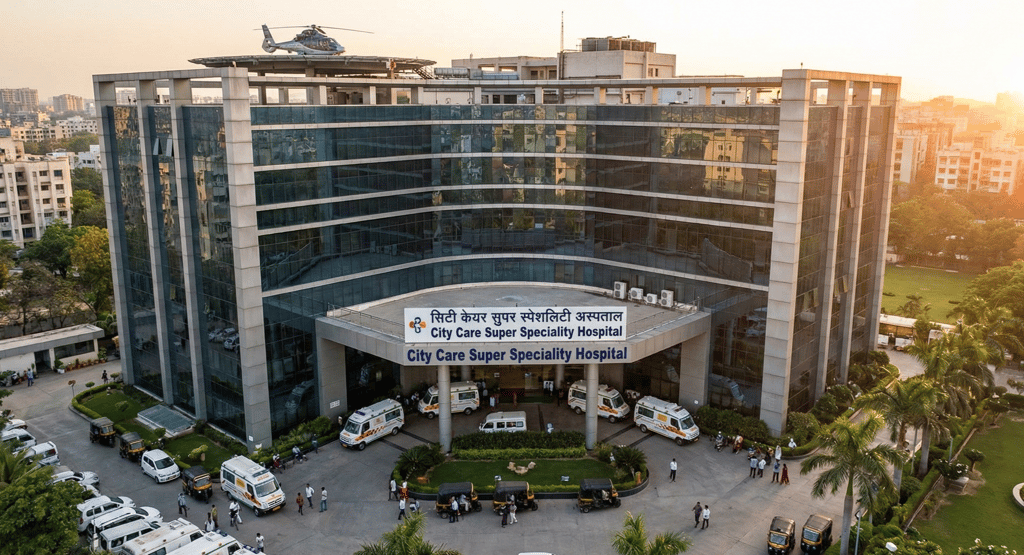
1. The Gold Standard: Understanding JCI and NABH
The biggest hesitation for any patient traveling abroad is, "Is it safe?" To answer this, the world relies on JCI (Joint Commission International) accreditation.
What is JCI?
JCI is the international arm of the body that accredits hospitals in the USA. When an Indian hospital is JCI accredited, it means they have voluntarily invited international auditors to inspect every single process—from how they wash their hands to how they manage surgical air pressure.
The Parity Reality: There are over 45 JCI-accredited hospitals in India. A JCI hospital in Bangalore follows the exact same safety protocols (IPSG - International Patient Safety Goals) as the Mayo Clinic or Johns Hopkins in the USA.
NABH: The National Accreditation Board for Hospitals (NABH) is India's domestic equivalent, which is now ISQua (International Society for Quality in Health Care) accredited, putting it on par with Australian and Canadian standards.
The takeaway: You aren't stepping into the unknown; you are stepping into a facility that has passed the world's strictest safety exams.
2. Infrastructure: A Mirror Image of the West
A common misconception is that "lower cost" implies "older technology." In India, the opposite is often true. Because private hospital chains (like Apollo, Fortis, and Medanta) are fiercely competitive, they often acquire the latest technology before many NHS (UK) or community US hospitals.
Robotic Surgery: The Da Vinci Xi robot, the world’s most advanced surgical system for prostate and gynecological surgeries, is standard in top Indian hospitals.
Cancer Care: India is one of the few countries in Asia to offer Proton Beam Therapy, the most precise form of cancer radiation available globally, often unavailable in standard Western facilities without massive waiting lists.
Diagnostic Tech: The use of 3 Tesla MRIs and 256-slice CT scanners is the norm, ensuring your diagnosis is as accurate as it would be in Germany or Japan.
3. The Cost vs. Care Comparison
Let’s look at the numbers. The following comparisons use 2025-2026 data for un-insured or self-pay patients.
Heart Bypass Surgery (CABG)
USA: You can expect to pay between $120,000 and $150,000.
India: The cost in a JCI-accredited hospital is typically $4,500 to $8,000.
The Quality Check: Despite the price drop, the success rate for cardiac bypass in India's top hospitals is 98.5%, which is statistically identical to leading US cardiac centers.
Knee Replacement (Single Knee)
USA: Average costs run from $35,000 to $50,000.
India: You will pay roughly $3,600 to $6,000.
The Quality Check: Indian surgeons perform thousands of these per year (high volume leads to higher skill proficiency), often using the exact same Zimmer Biomet or Stryker implants used in the US.
4. Why is it Cheaper? (The "Secret" Revealed)
Education: Indian doctors graduate with significantly less debt than US MDs (who average $200k–$250k). This lowers the "minimum viable income" required to sustain a practice.
Cost of Living: Lower domestic living expenses allow premier specialists to provide world-class care at a salary that is globally competitive but mathematically lower than Western counterparts.
Manufacturing: India produces 20% of the world's generic drugs. Domestic hospitals source life-saving medications (oncology, cardiology) directly from local manufacturers, bypassing the massive patent-related markups prevalent in the US.
Price Regulation: The National Pharmaceutical Pricing Authority (NPPA) keeps essential drug prices affordable, a cost-saving passed directly to the patient.
Direct-Pay Model: Unlike the US/UK, where multi-layered insurance billing adds 25%–30% in administrative overhead, Indian hospitals often use transparent, direct-pricing models.
No Bureaucracy: Fewer "middle-men" and simplified coding systems reduce the paperwork cost for every procedure.
Surgical Repetition: A top Indian surgeon may perform 10x more surgeries annually than a Western peer. This high volume reduces the "cost per procedure" and increases surgical proficiency.
Capacity Utilization: High patient turnover ensures that expensive diagnostic equipment (MRI, Robotic systems) is used 24/7, maximizing the return on investment and lowering the fee per scan.
Local Technology: India now produces high-quality, internationally certified stents, implants, and even surgical robots (like the SSI Mantra) at one-third the cost of imported American or European equipment.
5. The "Wait-Time" Advantage
In the UK's NHS or Canada's public system, the "cost" is your time.
UK/Canada: You might wait 18 months for a hip replacement or cataract surgery.
India: You can often have your surgery within 48 to 72 hours of arrival.
Conclusion: The Smart Patient's Choice
The era of believing that "Western is Best" is over. In 2026, healthcare is global. By choosing a JCI-accredited hospital in India, you are not downgrading your healthcare; you are simply upgrading your value. You get the American technology, the British-trained doctors, and the Indian hospitality—all without the financial ruin.
Don't let cost barrier your health.
© 2026 namastecure.com. All rights reserved.


Our services
Jobs
For Hospitals
Services
Camps
For doctors
Services
NOTE:NAMASTE CURE does not provide medical advice, diagnosis or treatment. The services and information offered on www.NAMASTECURE.com are intended solely for informational purposes and cannot replace the professional consultation or treatment by a physician. NAMASTE CURE discourages copying, cloning of its webpages and its content and it will follow the legal procedures to protect its intellectual property.